Skip to content

Community Restoration,
I See You

Making decline, damage, and recovery visible
Community Restoration ICU is an early-stage project focused on observing and documenting places where communities are fraying and where restoration may still be possible.

We are interested in real places, not slogans. Historic districts losing their footing. Working neighborhoods under pressure. Post-industrial towns searching for a next chapter. Areas where culture, affordability, and local ownership are being eroded, but not yet erased.

This site is not a program and not a policy platform. It is a working space for asking better questions, comparing places, and learning from what still works.

We use a simple, transparent framework to look at things most rankings ignore: heritage, affordability, small-business viability, districts of promise, and freedom from institutional lock-in.

Right now, we are listening.

If you are:
​​​​
  • documenting a place you care about
  • involved in local repair, reuse, or reinvestment
  • curious about why some communities recover and others do not

...let's connect.

More structure will come. For now, we are inviting others to help shape the direction.
Main street

How We’re Approaching Community Restoration

Many places are described as revitalized without ever being restored.

Community restoration focuses on repair, not replacement. It values continuity over novelty, stewardship over extraction, and local participation over institutional control.

It asks different questions:
 
  • What existed here that worked?
  • What was lost, and why?
  • What remains intact but overlooked?
  • Who already cares enough to restore it?

This site documents those questions and the people asking them.

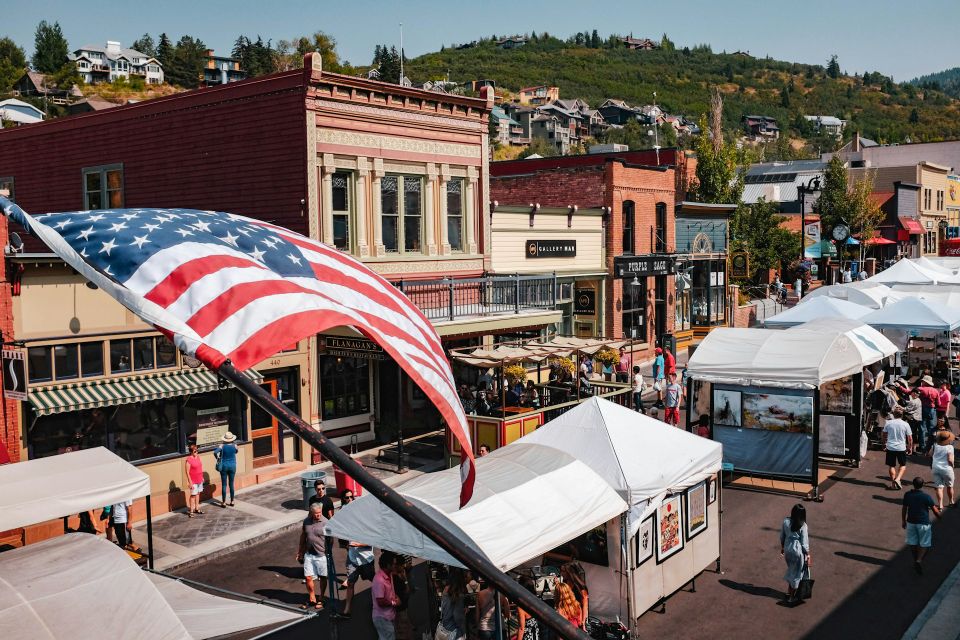
Photo: Flanagan's on Main, Park City Main Street Historic District, Park City, UT. Main Street remains the vibrant heart of Park City's Old Town. It is packed with unique local businesses -- independent boutiques, art galleries, museums, award-winning restaurants, and nightlife -- all nestled between the slopes of world-class ski resorts.
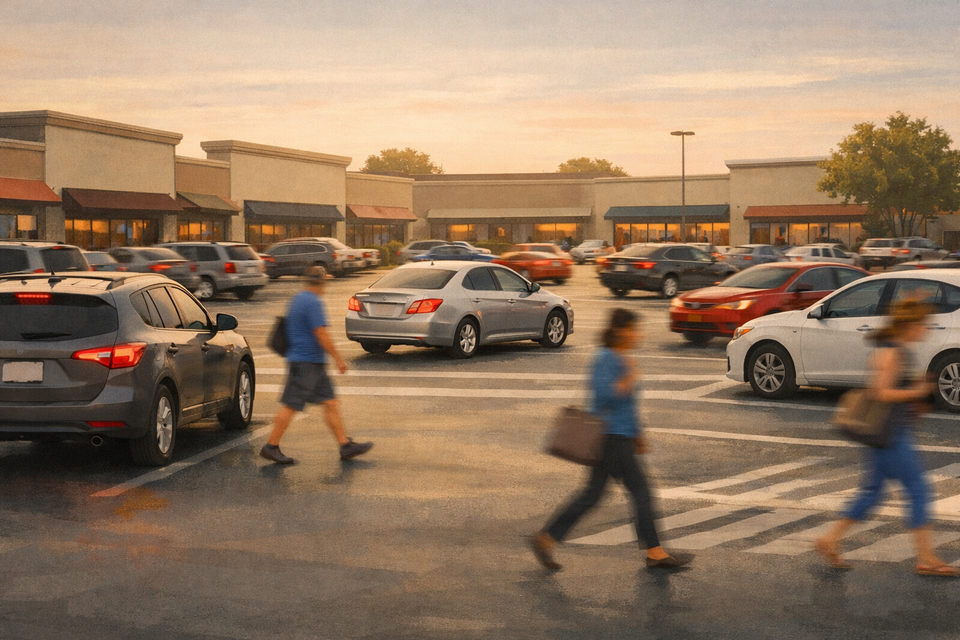
Evening bustle in suburban strip mall

Why This Matters Now

  • Communities can gain capital while losing cohesion.
  • They can attract attention while losing memory.
  • They can add amenities while losing neighbors.

Cultural erosion often precedes visible decline, and it can continue even during economic growth. Community restoration begins by recognizing early warning signs and responding before a place becomes unrecognizable.

Focus Areas of Community Restoration

  • Cultural traditions and local identity
  • Neighborhood life and informal social bonds
  • Small businesses and local ownership
  • Arts, crafts, and maker culture
  • Youth, mentorship, and intergenerational life
  • Faith communities and service networks
  • Immigrant and working-class entrepreneurship
  • Civic trust, norms, and shared responsibility
Cleanlawithme insta 202512

What's at Stake?

When communities decline, everyday life becomes harder. Housing choices narrow. Small businesses lose customers. Public spaces feel less safe or predictable.

Decline often brings uneven enforcement. Crime, dumping, and vandalism go unaddressed, while responsible owners and businesses carry more of the burden. Families hesitate to buy. Builders and landlords who do things right face higher risk than those who cut corners.

These moments can lead to careful repair and reinvestment, or to vacancy, speculation, and long-term instability. The difference lies in who pays attention and what is supported early.


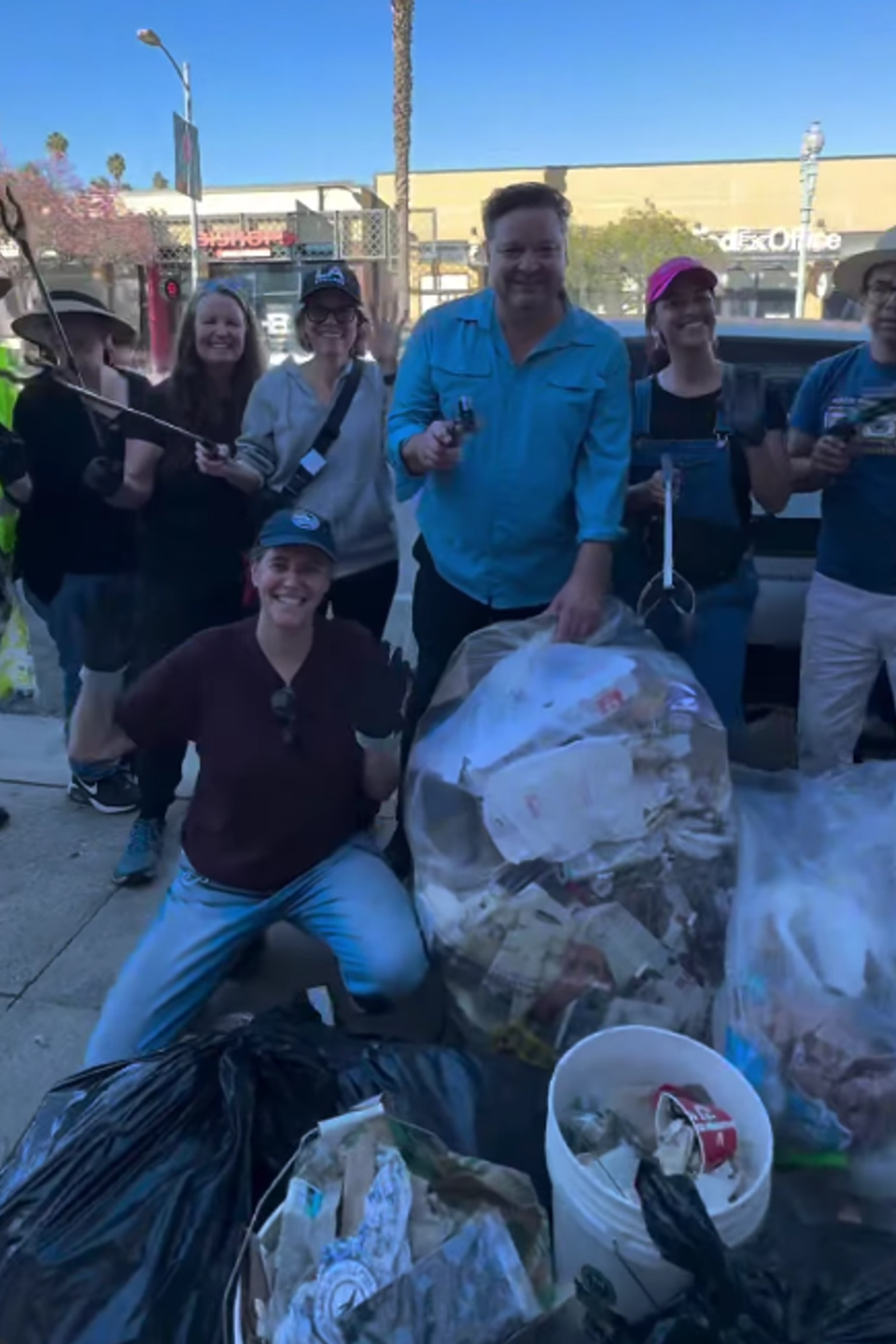
Photo: Juan E Naula leads a cleanup event in Pasadena Dec 2025. Clean LA with Me is a nonprofit created to fight the city’s growing waste crisis and restore dignity to Los Angeles neighborhoods. @CleanLAWithMe

Get Involved with Community Restoration ICU

Join us in making California a better place to live, work, and play.
Get Started